Modern day Laos was once known as the Kingdom of Lan Xang, the Kingdom of a Million Elephants. Its founding goes back to King Fa Ngum in 1353 but it reached the zenith of its power in the sixteenth century. During a period of about fifty years three kings extended the power of Lan Xang to reach over all of modern day Laos and Northern Thailand. During this time these kings promoted Buddhist culture and built some of the most important Buddhist temples and stupas in Laos, sites which today are still highly revered by the Lao people whilst being promoted as major tourist attractions. In this article we visit five of these magnificent Buddhist sites and explain their place in Lao history.
Modern Lao History Through Three Luang Prabang Hotels
Luang Prabang is a hot tourist destination noted for its beautiful temples and French colonial era buildings. But in the last century it was caught up in turbulent events as Laos struggled for its independence amidst the Second World War and then the Indochinese Wars. For visitors with an interest in history three beautiful hotels, each with a connection to former Lao princes, make the perfect backdrop to learn about the modern history of Laos.
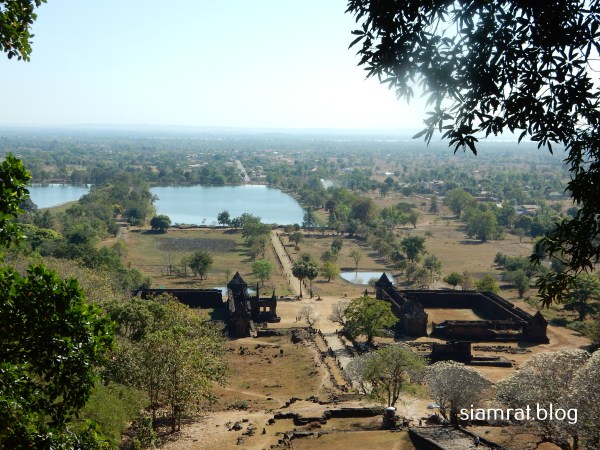
Wat Phou – Birth Place of the Angkor Empire
Wat Phou, a small Angkorian era temple, is the chief tourist attraction of Southern Laos. Most visitors to Wat Phou consider it as a remote outpost of the great Khmer empire centred on Cambodia's Angkor Wat. But in fact this small mountain temple is the birth place of that once mighty empire. It's history is shrouded in much mystery so here we shall delve in to what is known about Wat Phou, ranging from serene Buddhist sanctuary to site of bloody human sacrifice.
Champasak – The Tragic Kingdom of Southern Laos
The town of Champasak in southern Laos is small and neglected. But within the grounds of an unremarkable looking Buddhist temple in the town centre are the funeral stupas of two kings. For this was once the capital of an important kingdom that held sway over central and southern Laos parts of Vietnam and Cambodia as well as Ubon Ratchathani, Sisaket and Roi Et in modern Thailand. The story of Champasak is one of tragic downfall which some believe was caused by powerful curses upon the ruling families.
The Little Lost Train of Laos
Hidden away in the very far south of Laos is a small railway engine that survives from one hundred years ago to tell the story of colonialist dreams of connecting Laos with the rest of the world.